At Max Capacity Marketing, we help venues and promoters turn existing audiences into consistent ticket sales.
Most events don’t fail because the show is bad.
They fail because promotion is inconsistent, audience data is underused, and each event is marketed from scratch.
Our approach is built around fixing that by creating repeatable, ticket-focused marketing systems for live events.

We plan every campaign around the realities of live events: capacity, ticket price, break-even points, and timelines. Strategy comes first so marketing effort aligns with the economics of the show, not generic marketing metrics.
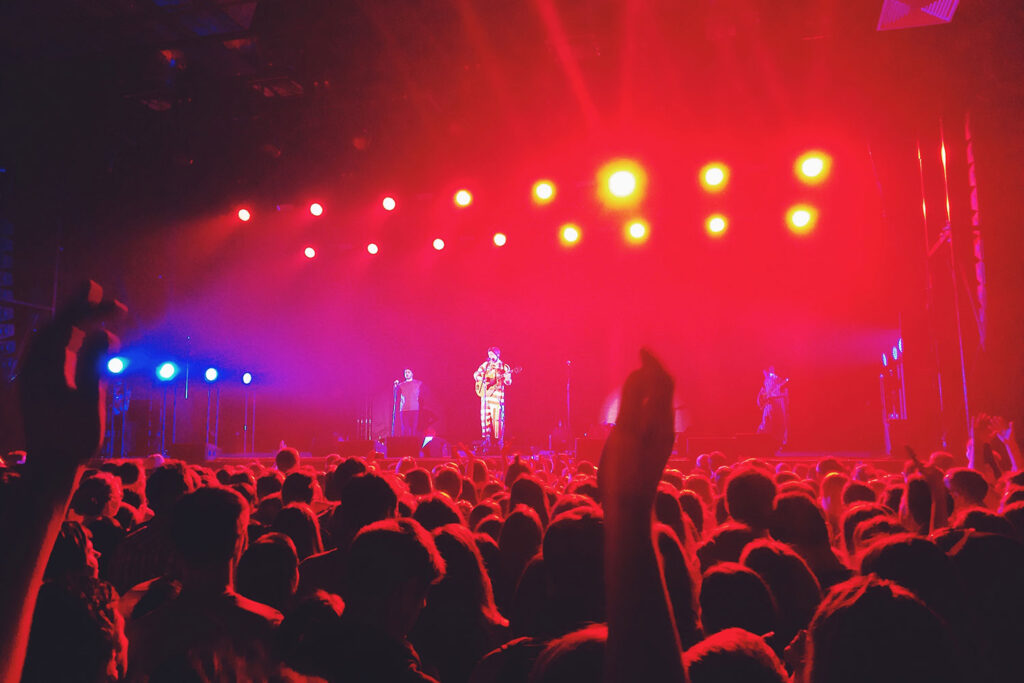
Instead of promoting each event from scratch, we build systems using paid ads, organic content, and owned audiences that improve over time. Each show strengthens the next by feeding data and learnings back into the system.
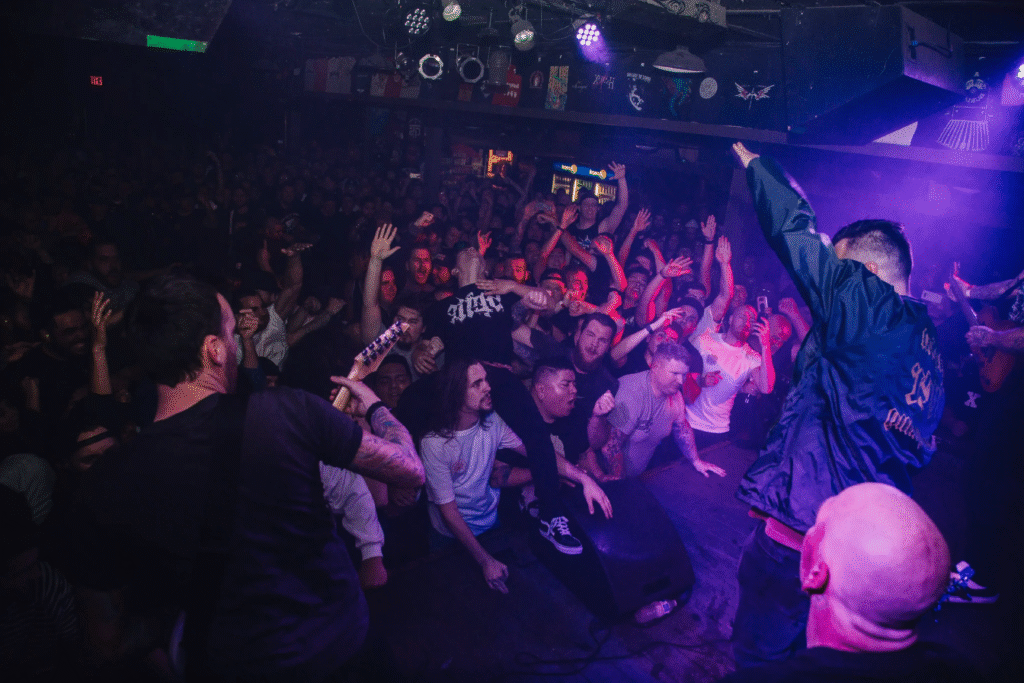
Venues and promoters already have audiences across ticketing platforms, email lists, and social channels. We focus on activating those audiences with the right message, at the right time, to consistently convert interest into ticket sales.



When I founded Max Capacity Marketing, it came from a simple but frustrating reality:
great shows were failing not because of the music, the production, or the experience, but because promotion was inconsistent, rushed, or built from scratch every time.
After more than a decade working inside the live music world, I’d seen the same pattern repeat. Strong events. Passionate teams. Talented artists.
But marketing that relied on hope, last-minute posts, and disconnected efforts instead of a system.
Max Capacity was built to change that.
Our focus is not on marketing for its own sake, but on building practical, repeatable ticket-selling systems that respect the economics of live events. Capacity matters. Timing matters. Audience data matters. When those pieces are aligned, events sell more consistently and stress drops dramatically.
Over time, we’ve refined an approach designed specifically for venues and promoters running frequent shows. Not generic digital marketing. Not one-off hype. But infrastructure that compounds with every event you run.
The tools and platforms will always evolve. What doesn’t change is our commitment to helping events build momentum instead of starting over each time.

At Max Capacity, you’re not treated as a lead or a transaction. You’re treated as an operator trying to solve real problems inside a demanding industry. Our role is to bring clarity, structure, and consistency to the marketing side of that equation.
If you’re running great events and want the marketing to finally match the quality of the experience you’re delivering, we’d be glad to talk.
Warm regards,

P.S. Let’s start a conversation about how we can help you grow. Click here to schedule a personal introduction with me.
After promoting more than 200 live events in 2025, a consistent pattern emerges: profitable events are not primarily the result of better creative or increased promotion volume, but of a clearly defined economic relationship.
The delta between two variables: the cost of selling a ticket, and the total value of the guest to the venue. This includes not only ticket revenue, but ancillary spend and repeat attendance over time.
When this relationship is quantified, marketing becomes a controlled input rather than an act of guesswork. The objective is not to minimise spend, nor to maximise reach, but to deploy marketing in a way that preserves a profitable margin while scaling attendance toward the natural cap of the event.
Achieving this requires the coordinated activation of the channels venues already possess: organic content, segmented past-buyer communication, and paid amplification. These channels are not independent. They function as a system, with content acting as the primary input and audience response providing continuous feedback.
As this system scales, the central constraint becomes maintaining an acceptable return on marketing spend. When the cost of ticket acquisition rises faster than guest value, promotion must be adjusted. When the delta remains positive, scale is justified. In this sense, consistent ticket sales are not accidental; they are the outcome of deliberate economic control applied to a finite market.
Firstly, we need to understand the profitability of an event. From this follows the Break-Even point — the minimum number of tickets that must be sold for the event to pay for itself.
Break-Even Tickets = (Operations + Marketing) ÷ Average Guest Value .
IF an event has an Average Guest Value of $40, and our combined spend for Operations and Marketing is $2500.
THEN our break even point is 63 tickets sold.
✓ Guest Value includes:
✓ Operations & Marketing includes:
When additional ticket sales generate surplus beyond operational costs, promotion can be increased deliberately. When marketing spend rises faster than guest value, promotion must be constrained.
Most venues treat organic content, email lists, and paid advertising as separate tactics. In practice, they function as a single system, with each channel influencing either the cost of selling a ticket or the speed at which tickets sell.
Organic content builds familiarity and momentum, past-buyer communication converts known demand efficiently, and paid advertising scales reach once economics are proven. Over-investing in any one channel without coordinating the others increases acquisition costs and reduces profitability.
Effective promotion is not about choosing the “best” channel. It is about controlling how these channels interact.
These channels are not independent tactics. They operate as a single system, each influencing either the cost of acquisition or the rate at which tickets can be sold. Effective promotion depends on coordinating them deliberately rather than over-investing in any single channel.
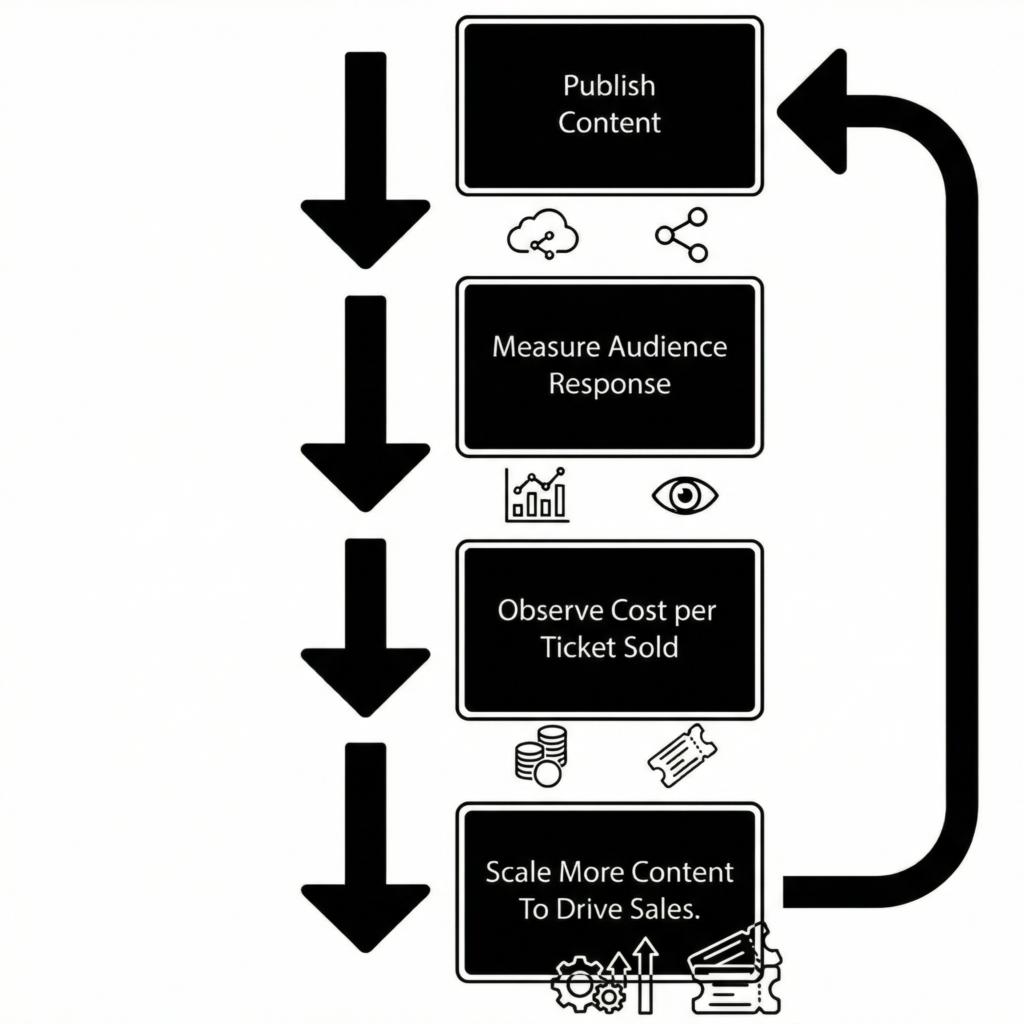
Content is the primary input into the event promotion system. Every post, video, message, or ad is a test that produces a measurable audience response.
That response is not evaluated on engagement alone, but on its downstream effect: how efficiently tickets are sold. As content output increases, we observe changes in cost per ticket sold and adjust promotion accordingly.
This creates a control loop. Content is published, audience response is measured, acquisition cost is observed, and output is increased or constrained to preserve profitability. Scale is not pursued blindly. It is earned through feedback.
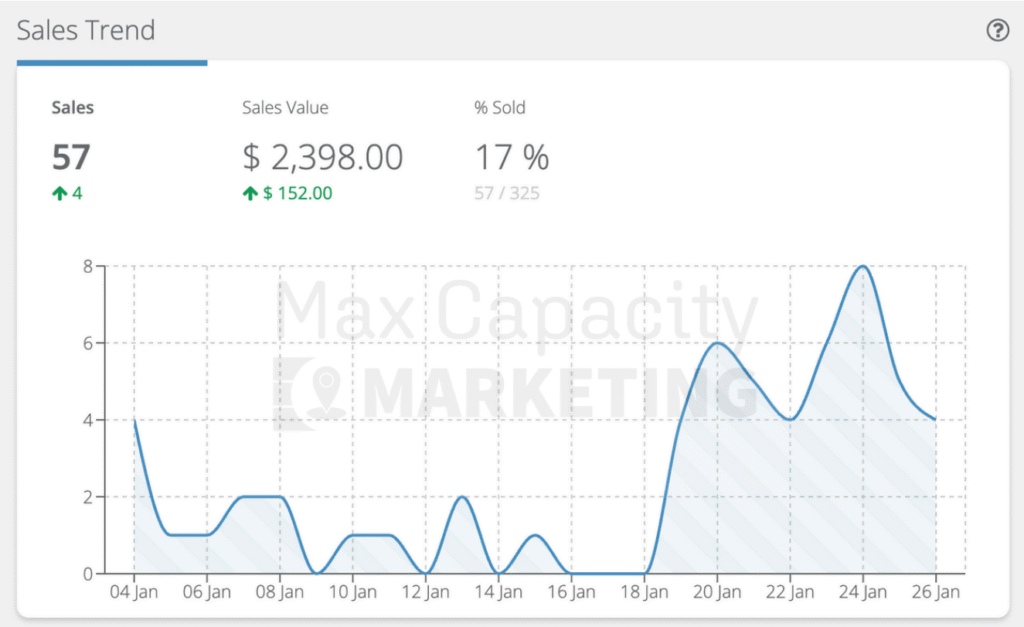
Observed Ticket Sales Behaviour Following Content Injection
Each spike corresponds to a coordinated content release across venue and artist channels. Notice the rising baseline over time.
Once break-even is achieved, marketing decisions are no longer speculative. They are governed by the relationship between cost per ticket sold and average guest value.
As campaigns run, we track cost of ticket acquisition across paid ads and the blended promotional system. This is evaluated against the break-even point established earlier.
A ROMS above 1 indicates marketing is covering its own cost.
A ROMS above 2 confirms promotion is contributing meaningfully to event profit.
At higher efficiencies, we commonly observe ROMS in the range of 4–5, at which point additional marketing spend remains economically justified.
When the average spend per guest exceeds the cost of acquisition by a sufficient margin, increasing promotion accelerates profit rather than eroding it. In this state, marketing is not an expense to be minimised, but a lever that can be pulled deliberately.
Scaling continues until either acquisition efficiency deteriorates or the natural capacity of the event is reached. Sellout is not the objective; it is the upper bound of a profitable system.
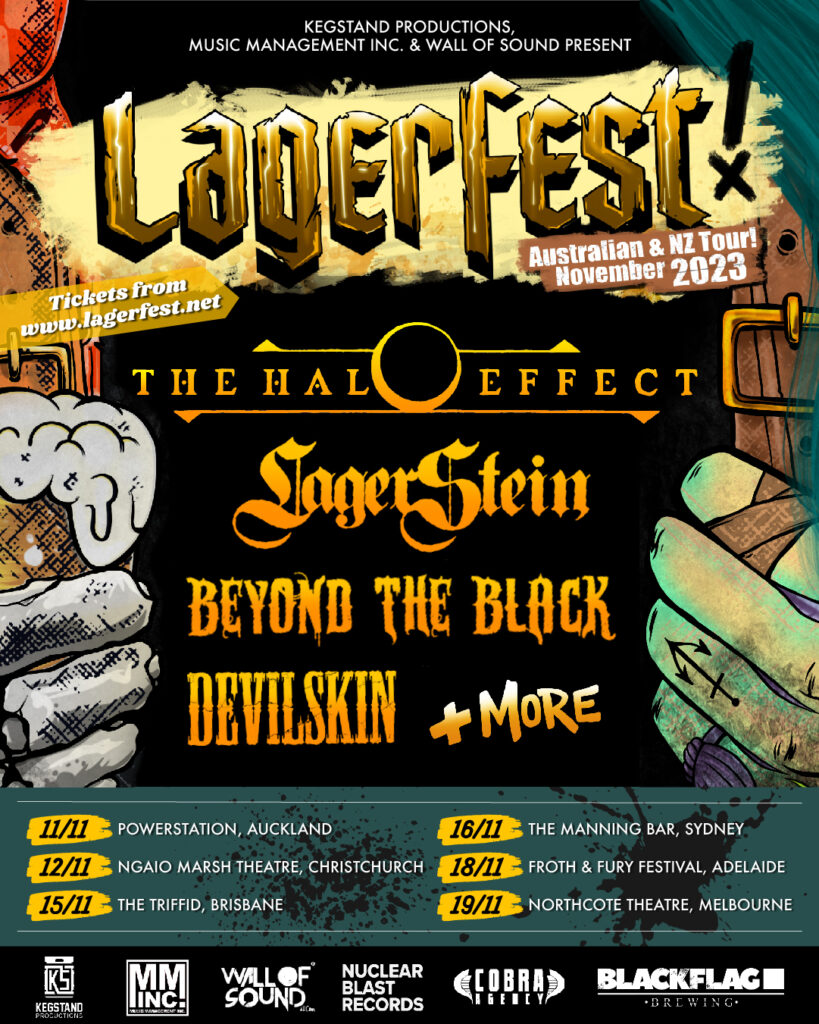
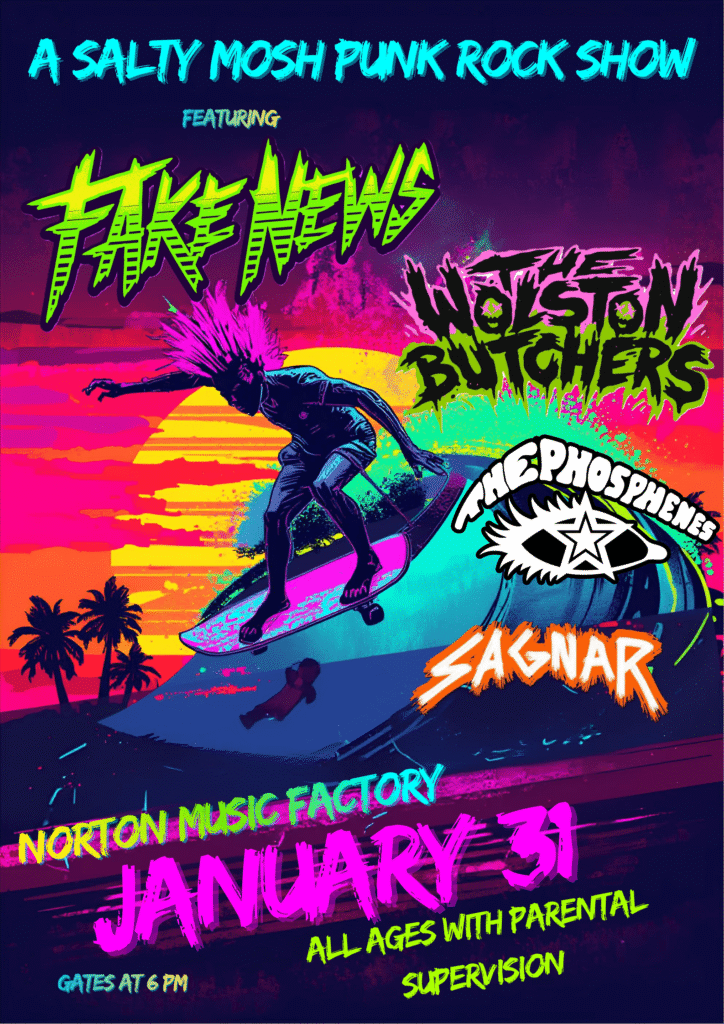
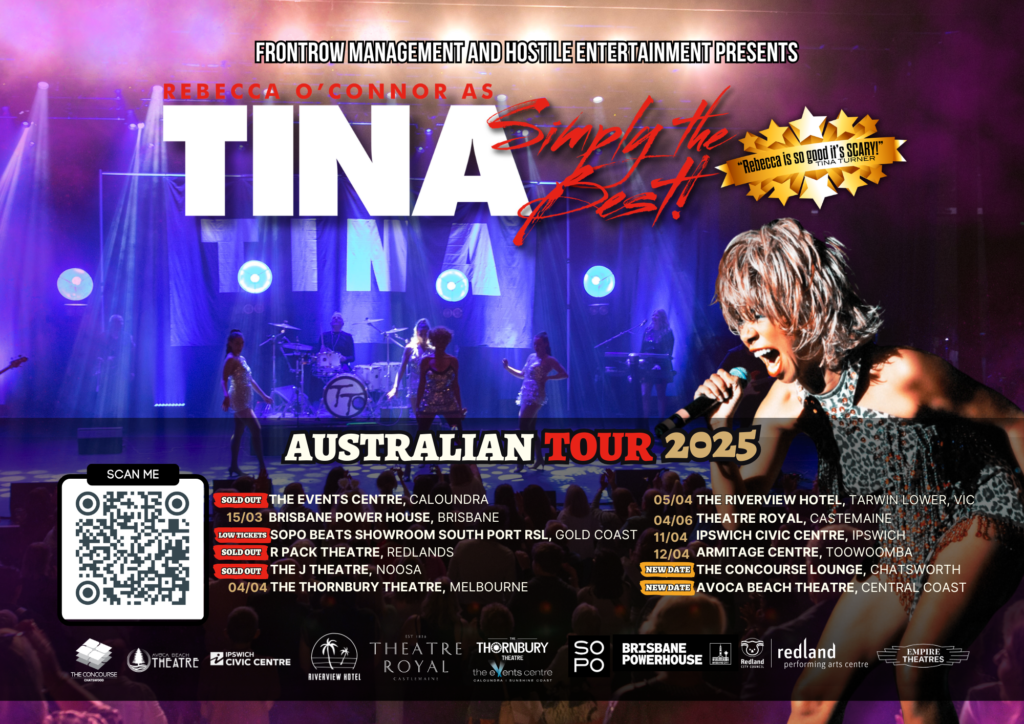
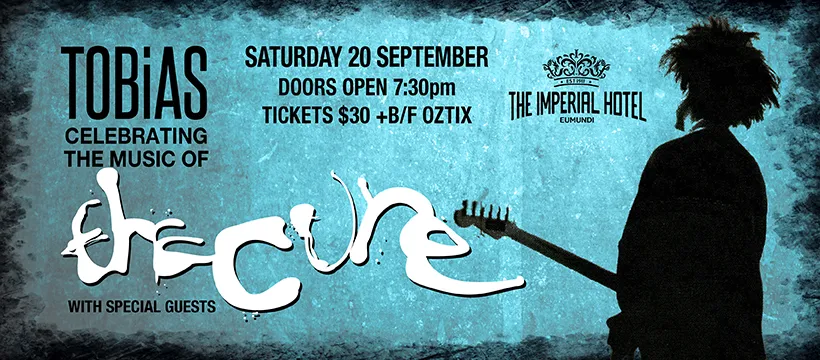
Event marketing is neither easy nor simple. We’ve developed proven systems that help our clients get results through multiple channels. When you engage our team, we’ll be working with you to develop ticket sales to deal with some or all of the following problems.
No. What we guarantee is control and visibility.
You’ll know your break-even point, your cost per ticket sold, and when it makes sense to scale or pause promotion. Sell-outs become a consequence of good economics, not blind spend.
Traditional promotion focuses on posting harder and spending more.
This system focuses on event economics, feedback loops, and scaling only when the numbers justify it.
No. A large audience helps, but it’s not required.
The system is designed to expand reach beyond your existing followers while still protecting profitability.
Less than most venues think.
Consistency and coordination matter more than volume. We scale content only when it lowers the cost per ticket sold.
We don’t judge success by likes or views alone.
We track ticket sales behaviour, cost per ticket sold, and momentum over time.
At minimum:
Ticket sales access
Marketing spend
Capacity and pricing
Past buyer lists (if available)
We work with imperfect data. Clarity improves quickly once the system is live.
Yes. Especially for them.
Smaller venues benefit the most from understanding break-even and avoiding wasted spend.
That’s when scaling becomes deliberate.
If additional marketing continues to produce a positive return, we push toward sell-out. If not, we constrain spend.
No. It makes artist promotion more effective.
We give artists clear direction so their efforts amplify the system instead of fragmenting it.
This system doesn’t rely on hype, luck, or last-minute panic.
It relies on understanding what makes events profitable and scaling responsibly.
Stop guessing, stop last-minute panic, and start running events with clarity.
Book a free strategy call to break down your event economics, identify your break-even point, and see exactly how structured promotion can drive consistent ticket sales without wasting spend.
We’ll look at how your events are currently promoted, where value is leaking, and whether scaling toward sell-out actually makes financial sense.
If the numbers stack up, we’ll show you how to push.
If they don’t, we’ll show you why.